Review: Books Lined Up on a Shelf Design
As a designer who has spent countless hours digitizing and testing machine embroidery patterns, I have learned that the charm of a design often lies in its simplicity. When I first loaded Books Lined Up on a Shelf into my software, I was struck by its quiet confidence. It does not scream for attention with excessive density or complex shading. Instead, it offers a clean, graphic representation of literature that feels both nostalgic and modern. For those of us in the craft business, finding a design that balances aesthetic appeal with stitchability is rare. This piece manages to do just that, making it a strong contender for anyone looking to add a literary touch to their portfolio.
First Impressions and Visual Personality
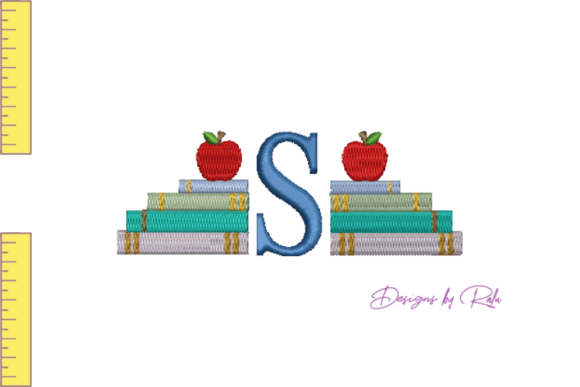
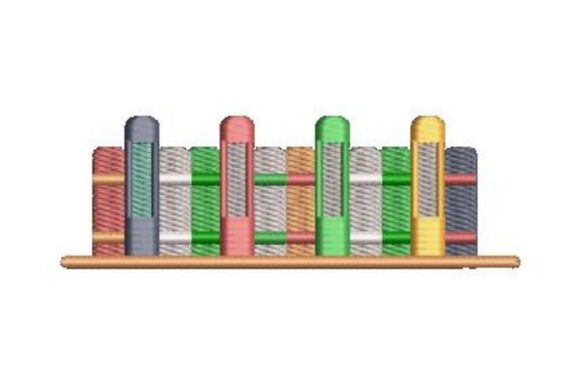
The layout of this design is straightforward yet evocative. It captures the essence of a well-loved library without getting bogged down in unnecessary detail. The spines of the books vary in height and width, creating a natural rhythm that mimics real-life bookshelves. From a visual standpoint, this variation is crucial. Uniformity can look robotic in embroidery, but the slight irregularities here give the design a handmade, organic feel.
The mood it creates is one of warmth and intellect. It fits perfectly within the Back To School category, but its appeal extends far beyond the academic calendar. It speaks to readers, teachers, librarians, and anyone who finds comfort in the written word. As an embroidery product reviewer, I appreciate designs that tell a story at a glance. This design does exactly that, offering a visual shorthand for knowledge and comfort.
Real-World Application: The Custom Tote Bag Scenario
To truly evaluate a machine embroidery design, you must imagine it on a finished product. I recently considered this design for a custom tote bag project for a local bookstore. The client wanted something subtle enough for daily use but distinct enough to serve as a badge of honor for book lovers. Books Lined Up on a Shelf was the ideal candidate.
On a canvas tote, the design’s linear nature works beautifully. The horizontal alignment of the books complements the shape of the bag, while the vertical lines of the spines provide structure. I envisioned using a mix of thread colors—deep burgundies, navy blues, and forest greens—to replicate the look of classic hardcovers. The result would be a sophisticated accessory that appeals to adults, not just students. This versatility is key for Etsy sellers and small shop owners who need designs that can cross over between seasonal trends and evergreen products.
Performance on Different Fabrics and Garments
One of the strengths of this design is its adaptability. Because it relies on clear shapes rather than intricate micro-details, it performs well on a variety of textiles. However, practical experience dictates that we must be mindful of fabric texture and stretch.
- Sweatshirt Embroidery: On fleece or cotton blends, this design shines. The fill stitches used for the book spines provide enough coverage to stand out against the textured background of the fabric. It makes for a cozy, intellectual look that is perfect for fall and winter collections.
- Baby Embroidery: For baby items, such as bibs or onesies, the design can be scaled down. However, caution is needed. Ensure the stitch density is not too high for delicate fabrics, as this can cause puckering. A proper stabilizer is non-negotiable here.
- Custom Apparel: On t-shirts, the design works best if kept to a moderate size. Too large, and the weight of the stitching may distort the knit fabric. Too small, and the individual book spines may lose definition.
When working with textured fabrics like linen or denim, the contrast between the thread and the fabric becomes even more important. I recommend testing your thread colors on scrap pieces first. A satin stitch border around the shelf or the books can help define the edges on looser weaves, ensuring the design remains crisp and professional.
Technical Considerations for Stitching Success
While the description notes that this design comes with multiple embroidery file formats, it is essential for users to verify compatibility with their specific machines. Before starting any commercial embroidery project, always check the hoop size requirements. This design likely fits well in standard 4x4 or 5x7 hoops, but confirming this prevents mid-project surprises.
Stitch density is another critical factor. Designs with many adjacent fill areas, like book spines, can become dense quickly. If you are stitching on thin fabric, consider using a cut-away stabilizer to support the weight of the threads. For stretchy fabrics, a tear-away might suffice if the design is small, but for larger applications, stability is key to maintaining the integrity of the finished product.
Additionally, pay attention to the small details. If the design includes tiny text on the book spines, ensure your needle is sharp and your tension is balanced. Tiny lettering can easily become illegible if the stitches pull too tight or if the fabric shifts. Testing on a similar fabric scrap allows you to adjust these settings before committing to the final garment.
Commercial Value and Brand Consistency
For digital product sellers and creative entrepreneurs, the value of a design lies in its ability to enhance brand consistency. Books Lined Up on a Shelf offers a clean, professional look that elevates the perceived value of the item. Whether used on an apron for a teacher, a pillow cover for a home decor line, or a patch for a literary club, the design conveys quality.
Customer trust is built on consistency. When a buyer sees a well-executed embroidery job, they associate that quality with your brand. This design’s clear lines and balanced composition make it easier to achieve that professional finish. It reduces the risk of user error, which is particularly important for hobbyists and makers who may be less experienced with complex digitizing issues.
Moreover, the design’s theme allows for creative marketing. It fits naturally into holiday embroidery campaigns for teachers, graduation gifts, or library fundraisers. By positioning it as a versatile asset, you can appeal to a broader audience, from students to lifelong learners.
Final Verdict for Makers and Sellers
In conclusion, Books Lined Up on a Shelf is a reliable and aesthetically pleasing addition to any embroidery library. It bridges the gap between thematic specificity and broad appeal. For the Etsy seller, it offers a ready-made solution for a niche market. For the hobbyist, it provides a satisfying project with a high chance of success.
Remember to respect the licensing terms. If you plan to sell finished items, confirm that the license allows for commercial use. If you are creating digital embroidery files or printable mockups, ensure you have the rights to distribute or display the design in that manner. Practical diligence protects your business and respects the creator’s work.
Ultimately, this design is a testament to the power of simple, well-executed concepts. It invites the maker to focus on color choice and fabric selection, allowing the embroidery itself to take center stage. For anyone looking to create meaningful, high-quality handmade products, this design is worth considering.