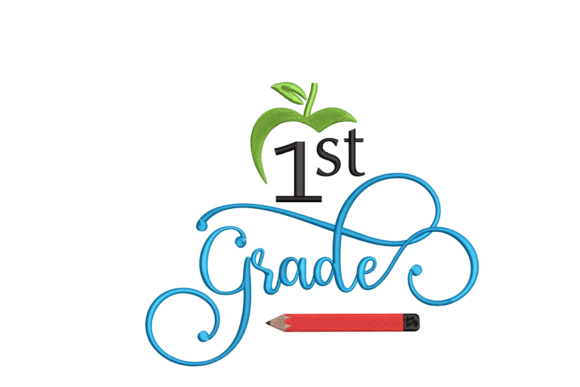
First Grade Embroidery Design Review
As an embroidery designer who spends countless hours digitizing and testing files for commercial use, I am always on the lookout for designs that balance aesthetic charm with technical reliability. When I recently browsed the Back To School category on Creative Fabrica, the First Grade machine embroidery design caught my eye. It promises to be a fun and easy stitch for items related to school, but does it hold up under the scrutiny of a professional hoop? I decided to review this product not just as a digital asset, but as a potential cornerstone for real-world handmade products.
Visual Appeal and Design Personality
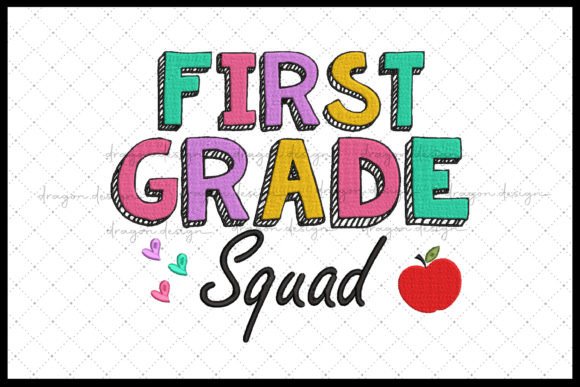
The first impression of the First Grade design is one of playful nostalgia. It captures the excitement of early education without feeling overly juvenile, which is crucial when targeting parents who want high-quality keepsakes rather than cheap novelty items. The visual mood is bright and inviting, relying on clean lines and balanced proportions. For those of us who sell on Etsy or at local craft fairs, this kind of universal appeal is gold. It fits naturally into the Embroidery niche for seasonal collections, specifically late summer and early autumn launches.
What stands out immediately is the versatility of the layout. Whether you are looking to create a bold statement on the back of a sweatshirt or a subtle accent on a tote bag, the design scales well. The stitching personality appears to favor clarity over excessive complexity, which suggests it will stitch out cleanly even on textured fabrics where fine details might get lost. This makes it an excellent candidate for a wide range of substrates, from smooth cotton twill to fluffy fleece.
Performance in Real-World Projects
To determine if this machine embroidery design is worth the download, I evaluated how it would perform across various popular product categories. Here is how I envision using this file in a commercial setting:
- Custom Apparel: This design is ideal for sweatshirt embroidery. The open areas in the design allow the fabric texture to show through slightly, preventing the garment from becoming stiff or board-like. It works equally well on polo shirts for uniform shops or casual tees for boutique merchandise.
- Tote Bags and Aprons: A tote bag design needs to be durable and visually striking from a distance. The bold nature of the First Grade motif ensures it remains legible and attractive on canvas or heavy-duty cotton. Similarly, it adds a charming touch to kitchen towels or aprons, making them perfect personalized gifts for teachers.
- Nursery and Baby Items: For baby blankets or bibs, the softness of the stitch output is paramount. Assuming proper stabilization, this design can serve as a centerpiece for nursery decor, offering a sweet reminder of milestone moments.
- Embroidered Patches: With the rise of iron-on and velcro-backed accessories, this file could easily be adapted into an embroidered patch. The defined edges suggest it would cut cleanly if you are using a cutting plotter or manual trimming techniques.
Technical Considerations for Stitching
While the preview images look promising, any experienced embroiderer knows that digital perfection does not always translate to physical reality. Here are the practical aspects I considered before committing this design to a customer order.
Fabric and Stabilizer Selection
The success of any digital embroidery file depends heavily on the foundation. For stretchy fabrics like jersey knits used in t-shirts, a cut-away stabilizer is non-negotiable to prevent puckering. If you are stitching on woven materials like denim or canvas for caps, a tear-away stabilizer might suffice, but I always recommend testing first. The design description mentions it is "easy to stitch," which often implies moderate stitch density. However, always check the specific file details to ensure the density matches your fabric weight.
Hoop Size and Placement
One of the advantages of this type of design is its adaptability to different hoop sizes. Whether you are working with a 4x4 inch hoop for small patches or a 5x7 inch hoop for larger apparel placements, the design should maintain its integrity. However, if you are placing it on curved surfaces like cap fronts, be mindful of distortion. Always use a magnetic frame or cap driver to keep the fabric taut and prevent shifting during the stitching process.
Thread Colors and Contrast
The visual impact of the First Grade design relies on good color contrast. When creating a printable mockup or planning your thread chart, consider the background fabric. Dark fabrics require careful selection of thread colors to ensure the design pops. Conversely, on light fabrics, you might want to use vibrant, saturated threads to enhance the playful mood. Always run a test stitch on scrap fabric to verify that your chosen thread colors provide the desired effect before starting on the final product.
Enhancing Product Value and Brand Consistency
For small business owners and creative entrepreneurs, the choice of design assets directly influences brand perception. Using a high-quality, well-digitized file like First Grade contributes to a professional finish that builds buyer trust. Customers can spot poor digitization from a mile away—jump stitches, uneven fills, or distorted shapes can devalue a handmade product instantly.
This design supports brand consistency by offering a clean, classic look that pairs well with other educational or childhood-themed items. It enhances the giftability of your products, making them attractive options for grandparents, parents, and teachers looking for meaningful presents. Furthermore, a well-stitched design improves product photography. Clean lines and smooth fills reflect light evenly, resulting in sharper, more appealing images for your online store or social media channels.
Final Verdict and Practical Advice
Is the First Grade design worth adding to your library? Based on its versatility and apparent ease of use, it is a strong contender for anyone focusing on the Back To School market or year-round children’s apparel. However, before you begin production, there are critical steps you must take.
- Check File Details: The product description states it comes with multiple embroidery files, but it does not specify exact formats or hoop sizes. Always verify the included formats (such as PES, DST, JEF, etc.) to ensure compatibility with your specific machine.
- Review Licensing: If you plan to use this for commercial embroidery, confirm the license terms on the Creative Fabrica product page. Understanding your rights regarding finished products is essential for legal and ethical business practices.
- Test Stitch: Never skip the test phase. Stitch the design on the same type of fabric you intend to sell. Check for any issues with satins stitch coverage, fill stitch density, or running stitch registration.
- Inspect Small Details: After stitching, inspect the smallest elements of the design. Ensure there are no loose threads or gaps that could unravel after washing, especially for items that will undergo frequent laundering.
In conclusion, the First Grade embroidery design offers a delightful blend of charm and functionality. For designers looking to expand their Creative Fabrica embroidery collection with reliable, seasonally relevant assets, this file holds significant promise. By paying attention to technical details and respecting the nuances of fabric and thread, you can transform this digital asset into a standout finished product that delights customers and elevates your brand.