First Grade Squad: A Designer’s Real-World Review
As an embroidery designer who spends more time staring at stitch maps than I do sleeping, I have learned that not every cute graphic translates well to thread. We have all been there: you see a charming digital preview, buy the digital embroidery file, and then watch in horror as the machine chews through your fabric or the details merge into an indistinguishable blob. That is why I approach every new design with a critical eye, looking past the marketing fluff to see how it actually performs under the needle. Recently, I evaluated First Grade Squad, a Back To School themed design, to determine if it deserves a spot in my commercial rotation or if it is better left as a hobbyist novelty.
The First Impression: Mood and Visual Personality
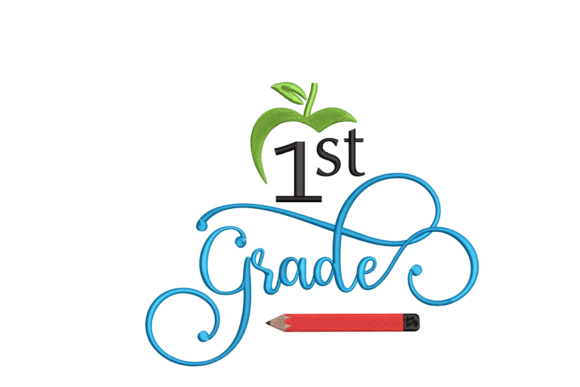
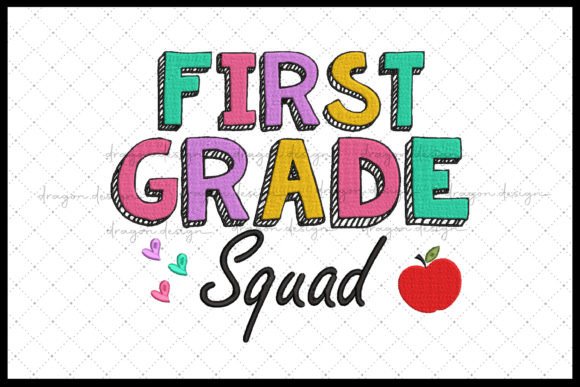
When I first loaded the preview of First Grade Squad, the immediate vibe was energetic and communal. The layout suggests a group dynamic, which is perfect for capturing that specific excitement of starting a new school year. From a design perspective, the visual personality leans toward playful but structured. It does not feel chaotic, which is a common pitfall in school-themed graphics. The shapes appear balanced, offering enough negative space to let the fabric breathe while maintaining a solid presence on the garment.
For a machine embroidery design intended for children or teachers, this balance is crucial. It needs to be legible from a distance—say, across a classroom or a playground—yet detailed enough to look professional up close. The initial assessment suggests that this design avoids the trap of being too juvenile, making it versatile enough for both student apparel and teacher merchandise.
Real-World Application: The Tote Bag Test
To truly understand the value of this design, I imagined a specific real-life scenario: a custom order for a local boutique selling back-to-school essentials. The client wanted a set of canvas tote bags for siblings entering different grades. This is where First Grade Squad shines as a potential bestseller. Canvas provides a stable, textured surface that holds fill stitch areas well without sinking in, which is often a risk with thinner fabrics.
In this context, the design acts as the centerpiece. If I were stitching this onto a natural cotton tote, I would lean into high-contrast thread colors. Imagine navy blue thread on a cream bag, or vibrant primary colors on a white background. The design’s structure allows for bold color blocking, which enhances its visibility. For an Etsy seller or small shop owner, this kind of clear, impactful imagery reduces the need for excessive explanation in product listings. The customer sees "First Grade Squad" and immediately understands the purpose: a coordinated gift for a new student.
Apparel and Custom Sweatshirts
Moving beyond accessories, let us consider sweatshirt embroidery. This is a huge market for the Back To School season. However, fleece and French terry present challenges. The looped texture can swallow small details. When evaluating First Grade Squad for a hoodie chest pocket or a full-front design, I look closely at the density. If the design relies heavily on tiny satin stitch borders around complex shapes, it might pucker the fabric if not stabilized correctly.
My recommendation here is to use a cut-away stabilizer rather than tear-away. Since sweatshirts are washed frequently and stretched during wear, the stability of the stitch-out is paramount. If the design includes any fine lettering or intricate connectors between the "Squad" elements, ensure your machine tension is perfectly calibrated. A well-executed version of this design on a high-quality hoodie becomes a heirloom piece, something a parent keeps long after the school year ends.
Navigating Technical Challenges
No design is perfect for every situation, and honesty is key in professional reviews. There are specific scenarios where you should approach First Grade Squad with caution. First, consider the hoop size. If this design is large, attempting to squeeze it into a small 4x4 hoop might require splitting the design or reducing it significantly. Reduction can lead to loss of detail, where distinct elements merge together. Always check the recommended dimensions before purchasing.
Secondly, think about fabric texture and type. While it works beautifully on cotton twill, canvas, and stable knits, placing it on a stretchy, thin jersey t-shirt requires extra care. Without proper hooping technique and stabilizer, the weight of the embroidery can cause the garment to sag or distort. For baby embroidery projects, such as onesies, ensure the back of the stitching is covered or soft, as sensitive skin can be irritated by dense stitch backs.
Additionally, if you are planning to use this on dark fabrics, consider the underlay stitches. A good embroidery file should have adequate underlay to prevent the fabric color from showing through the top stitches. If you are unsure, run a test stitch-out on a scrap piece of the same dark fabric. This simple step saves hours of frustration and wasted materials.
Commercial Value and Brand Consistency
For those running a craft business, the decision to use a design like First Grade Squad goes beyond aesthetics; it is about brand consistency and perceived value. Does this design look professional? Yes, provided it is stitched out cleanly. A messy stitch-out with bird nests or skipped stitches devalues even the cutest design. Conversely, a crisp, clean execution elevates the perceived quality of your handmade product.
This design fits seamlessly into a broader Back To School collection. It pairs well with other grade-specific designs, creating a cohesive line of products. For commercial embroidery clients, such as schools or clubs, the "Squad" theme promotes unity and spirit. This emotional connection drives sales. Parents are not just buying a shirt; they are buying into a community. That is the power of a well-chosen theme.
Practical Designer Notes for Success
Before you commit to production, here are my final practical notes for working with this design:
- Test on Scrap Fabric: Never stitch a new design directly on your final product. Use a similar fabric scrap to check for puckering and registration.
- Check Thread Contrast: Ensure your thread choices provide enough contrast against the fabric. Low contrast can make the design look muddy from a distance.
- Review Stitch Density: If the design feels stiff after stitching, consider using a lighter weight stabilizer or adjusting your machine’s tension settings.
- Verify Licensing: Always confirm the license terms included with the digital embroidery file. Ensure you have the right to sell finished items if you are a commercial user.
- Mockup Testing: Create printable mockups or digital previews in both light and dark backgrounds to see how the design translates visually before stitching.
Final Verdict
First Grade Squad is a strong contender for your Back To School lineup. It offers a blend of playful energy and structural integrity that works well across various mediums, from tote bags to sweatshirts. While it requires standard precautions regarding stabilizer and fabric choice, its versatility and appeal make it a valuable asset for small shop products and personalized gifts. By paying attention to the technical details and respecting the material constraints, you can transform this digital asset into a high-quality finished product that customers will love. Remember, the success of any embroidery project lies not just in the design itself, but in the skill and care applied during its execution.