Reviewing Flower Daisy Font H for Holiday Collections
As an embroidery designer who spends countless hours digitizing and testing patterns, I approach every new machine embroidery design with a critical eye. It is not just about whether the stitches look clean; it is about whether the design will sell. When I first loaded Flower Daisy Font H into my software, I was immediately struck by its versatility. This is not merely a font; it is a decorative element that bridges the gap between whimsical charm and elegant simplicity. For those of us building seasonal collections, finding a typeface that carries emotional weight without overwhelming the fabric is rare. This review explores how this specific embroidery file can transform your product line, particularly when targeting the lucrative holiday and gift-giving markets.
The Aesthetic Appeal and Seasonal Mood
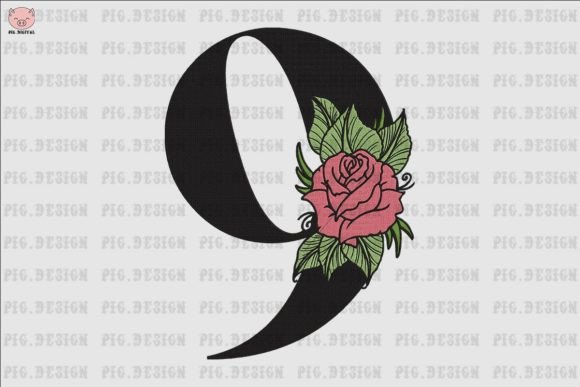
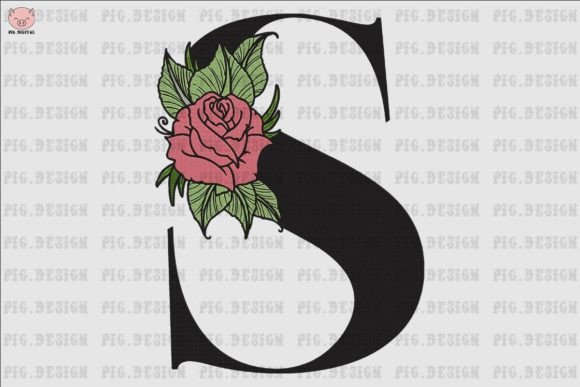
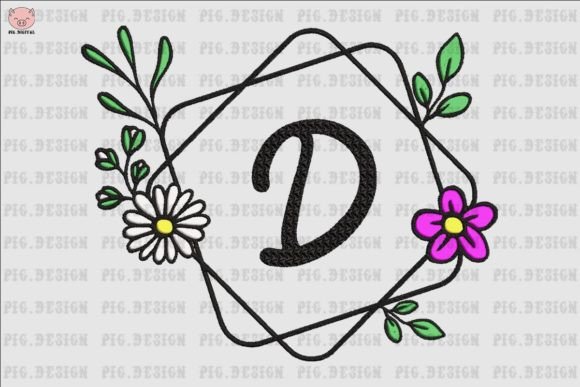
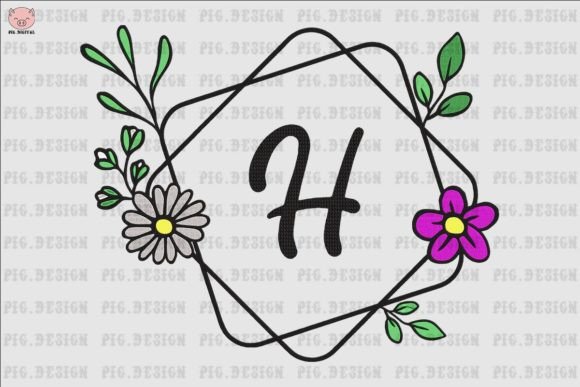
The first impression of Flower Daisy Font H is one of approachable warmth. The integration of daisy motifs into the letterforms creates a soft, organic feel that resonates deeply with current trends in handmade goods. Unlike rigid, industrial fonts, this design feels alive. It evokes a sense of nostalgia and comfort, making it ideal for seasonal embroidery projects that aim to create a cozy atmosphere. Whether you are designing for spring renewals or autumn harvest themes, the floral elements provide a natural anchor.
For Etsy sellers and small shop owners, visual recognition is key. This font has a distinct personality that stands out in a crowded marketplace. It feels festive yet understated, playful yet refined. This balance allows it to work across various demographics, from young parents looking for cute baby items to adults seeking sophisticated home decor. The emotional tone is inviting, which is crucial when customers are browsing for a personalized gift that needs to convey care and thoughtfulness.
Strategic Applications for Holiday Selling
When planning a holiday embroidery collection, versatility is your best asset. Flower Daisy Font H performs exceptionally well on a wide range of substrates. Here is how I envision using this design in real-world selling situations:
- Sweatshirt Embroidery: The design shines on chest-left placements or as a central graphic on oversized hoodies. The floral details add texture that breaks up large blocks of color, making the garment feel premium.
- Tote Bag Design: Canvas bags are staples for eco-conscious shoppers. Stitching this font on a natural cotton tote creates an earthy, artisanal look that appeals to farmers' market crowds and students alike.
- Kitchen Towel Embroidery: Monogrammed kitchen linens are perennial bestsellers. The daisy accents make these towels perfect for housewarming gifts or bridal showers, adding a touch of rustic charm to the kitchen.
- Pillow Cover Accents: Used sparingly on corner pillows or as part of a larger scenic design, this font adds a personalized touch to home decor without dominating the room's aesthetic.
- Embroidered Patch Creation: Digitizing this as a standalone patch allows for maximum flexibility. Customers can buy patches to iron onto jackets, hats, or backpacks, extending the life of the design beyond a single garment.
Furthermore, this design fits surprisingly well into Back To School collections. While often associated with spring, the cheerful nature of daisies appeals to younger students and teachers looking for bright, optimistic accessories for the new academic year. Labeling bins, decorating denim jackets, or personalizing pencil cases with this font can capture that early-autumn market segment effectively.
Navigating Technical Challenges and Fabric Textures
While Flower Daisy Font H is visually stunning, practical application requires attention to detail. As a designer, I must advise caution in specific scenarios to ensure the finished product meets professional standards.
Stitch density is a critical factor. Floral fonts often have intricate curves and small details. If the density is too high on stretchy garments like jersey knits, the fabric may pucker. Always use a appropriate stabilizer—cut-away for stretchy fabrics and tear-away for stable wovens. Test your tension settings rigorously before running a full production batch.
Another consideration is hoop size. Ensure that the specific version of the digital embroidery file you purchase fits within your machine's capabilities. If you are working with small hoop sizes, verify that the smaller letters remain legible. Tiny lettering can lose definition if the needle jumps are too wide or if the thread thickness is too heavy.
Fabric texture also plays a role. On thick towels or plush fleece, the fine details of the daisy petals might get lost. In these cases, consider using a slightly thicker thread or adjusting the underlay stitches to provide a better foundation. Conversely, on dark fabrics, ensure your thread colors have enough contrast. Metallic threads can look stunning with this design for holiday ornaments, but they require slower stitching speeds and careful tension management to prevent breakage.
Enhancing Brand Value and Customer Trust
Incorporating Flower Daisy Font H into your lineup does more than just add a pretty pattern; it enhances your brand's perceived value. High-quality, well-executed embroidery signals craftsmanship. When customers see consistent, clean stitching with a cohesive design language, their trust in your small shop product quality increases.
This design aids in creating cohesive gift bundles. Imagine a set comprising a monogrammed towel, a matching apron, and a tote bag, all featuring the same floral font. This consistency makes for compelling social media previews and printable mockup graphics. It allows you to market a "lifestyle" rather than just a single item, increasing the average order value.
Moreover, the emotional resonance of floral designs taps into the desire for connection and beauty. During holiday shopping periods, buyers are often looking for items that feel special and unique. A handmade gift featuring this font feels curated and personal, distinguishing it from mass-produced alternatives. This differentiation is vital for maintaining engagement and encouraging repeat business.
Practical Designer Notes for Implementation
Before you launch your next collection using Flower Daisy Font H, keep these practical steps in mind:
- Test on Multiple Fabrics: Do not assume the design will look the same on cotton as it does on polyester. Run test stitches on both light and dark fabrics to check for visibility and puckering.
- Verify Commercial Licensing: Always confirm the license terms provided with the commercial embroidery file. Ensure you have the right to sell finished products made with this design, especially if you are scaling up for holiday rushes.
- Check File Formats: The product description mentions multiple formats, but always double-check that you have the correct format for your specific machine model to avoid conversion errors that can distort the design.
- Create Realistic Mockups: Use high-quality photos of your test stitches to create realistic marketing materials. Show the texture of the thread and the drape of the fabric to give online buyers a true sense of the product.
- Plan Color Palettes: Develop a set of recommended thread color combinations that complement the daisy motif. Offer these as suggestions to your customers to help them visualize the final result.
In conclusion, Flower Daisy Font H is a robust addition to any embroidery designer's library. Its ability to adapt to various products, from sweatshirt embroidery to delicate kitchen towel embroidery, makes it a valuable tool for creating diverse and appealing seasonal collections. By paying attention to technical details and leveraging its aesthetic strengths, you can create products that not only look beautiful but also resonate emotionally with your customers, driving sales and building a loyal community around your brand.