Reviewing 1st Grade Batter Up for Craft Fairs
As an embroidery designer who has spent countless weekends setting up booths at local markets, I know that the difference between a browser and a buyer often comes down to immediate visual impact. When I first loaded 1st Grade Batter Up into my digitizing software, my initial reaction was one of relief. In the saturated world of Back To School merchandise, finding a design that balances cuteness with clarity is a challenge. This machine embroidery design manages to capture the excitement of the season without feeling cluttered or overly juvenile, making it a versatile asset for any serious Etsy seller or boutique maker.
First Impressions and Visual Appeal
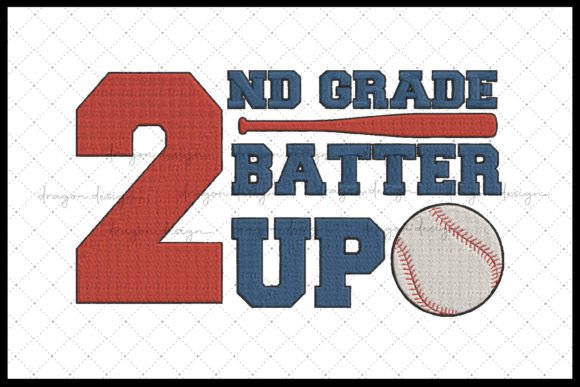
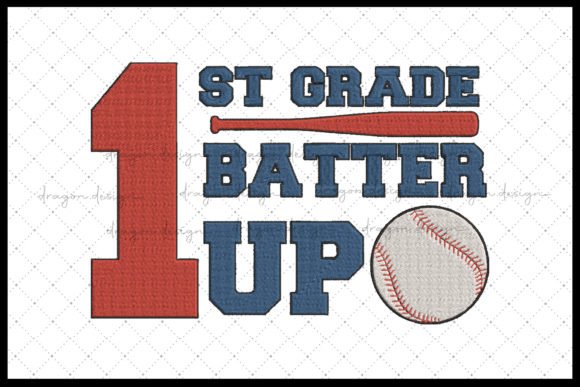
The title alone suggests a playful, sports-themed approach to the first-grade milestone. Visually, the design leans into a bold, energetic aesthetic. It does not try to be minimalist or rustic; instead, it embraces a vibrant, celebratory mood. For a craft fair table, this is crucial. Customers walking past your booth need to understand the product within three seconds. 1st Grade Batter Up achieves this by using strong shapes and likely high-contrast elements that pop against various fabric backgrounds. It feels like a premium digital embroidery file because it avoids the "clipart" look that plagues many lower-quality designs. The lines appear clean, suggesting that the digitizer paid attention to flow and coverage, which translates directly to perceived quality in the finished product.
Strategic Product Placement for Maximum Sales
When planning my inventory for a weekend market, I am always evaluating where a specific design will perform best. Here is how I see 1st Grade Batter Up functioning across different handmade product categories:
- Tote Bags and Market Bags: This is arguably the strongest application. A canvas tote provides a large, flat surface that allows the design to breathe. As a tote bag design, it serves as a proud declaration for parents sending their child off to school. The durability of canvas handles the stitch weight well, and the bag itself is a high-margin item that sells quickly during the August rush.
- Aprons and Kitchen Textiles: While apron embroidery is popular, this specific theme might feel out of place in a kitchen unless marketed as a "teacher gift." However, tea towel embroidery could work if you are targeting grandparents who want to commemorate the milestone. The key here is placement; centering the design on the lower half of the towel creates a balanced look.
- Caps and Headwear: Embroidering on curved surfaces is tricky. If you choose to put this on a cap, you must be mindful of the hoop size and the curvature. Small lettering or intricate details can distort on a baseball cap. I would recommend testing this on a structured cap first to ensure the "Batter Up" text remains legible and does not pull the fabric.
- Embroidered Patches: Creating iron-on or sew-on patches is a fantastic way to utilize this design for customers who already have jackets or bags. An embroidered patch allows for batch production since you can hoop a large piece of twill, stitch multiple designs, and then cut them out. This is highly efficient for a small shop product line.
Production Practicalities and Technical Considerations
From a production standpoint, efficiency is king. When I review a new embroidery file, I look for signs of poor digitizing that will slow me down or cause thread breaks. With 1st Grade Batter Up, the description notes it comes in multiple formats, which is essential for compatibility with various machines. However, there are critical technical factors to consider before you start stitching for sales.
First, consider stitch density. If the design has large filled areas, it may require a cut-away stabilizer to prevent puckering, especially on lighter fabrics like cotton tees. On heavier items like tote bags, a tear-away might suffice, but always test first. Dense stitches on thin fabric can lead to a stiff, uncomfortable feel, which detracts from the handmade quality buyers expect.
Second, pay attention to thread colors. The success of this design relies heavily on contrast. If you are stitching on dark fabric, you may need to adjust your color palette or use a white underlay to ensure the design stands out. Conversely, on light fabrics, vibrant primary colors will enhance the "sports" theme. Always create at least one real mockup on the actual fabric you intend to sell. Photos of digital design assets or printable mockup files can be misleading; seeing the thread sheen and texture in person is the only way to confirm visual appeal.
Navigating Fabric Texture and Detail
One common pitfall with themed designs is the loss of clarity on textured materials. If you are attempting commercial embroidery on terry cloth towels or fuzzy fleece, small details in the "Batter Up" graphic may get lost. I advise avoiding this design on highly textured surfaces unless you increase the size significantly. For best results, stick to smooth cottons, canvas, denim, or polyester blends. These fabrics allow the stitches to lay flat and sharp, maintaining the integrity of the design.
Boosting Brand Consistency and Buyer Engagement
Using a cohesive design like 1st Grade Batter Up helps strengthen your brand identity. If your shop specializes in school-related items, this design fits seamlessly into a broader collection. It signals to customers that you understand the niche. When displayed in a booth, group this item with other first-grade or sports-themed products. This creates a "shop within a shop" effect that draws the eye and encourages multiple purchases.
For online listings, the photographability of this design is a major asset. Bold, clear embroidery photographs well on social media platforms like Instagram and Pinterest. Use natural lighting to highlight the texture of the threads. A well-lit photo of a tote bag featuring this design can drive significant traffic to your Etsy store. Remember, the craft fair product experience starts online for many buyers, so your digital presentation must match the physical quality.
Final Designer Notes for Success
Before you commit to producing a large batch, follow these steps to ensure profitability and quality:
- Test on Scrap Fabric: Never stitch a new design directly on your saleable inventory. Run a test on the same type of fabric to check for registration issues or thread breaks.
- Check Licensing: The product description mentions it is perfect for decorating projects, but always confirm the commercial licensing terms. Ensure you are allowed to sell finished goods made with this digital embroidery file.
- Verify Hoop Size: Confirm that the design fits within your standard hoops. If it requires a large hoop, factor that into your pricing and production time.
- Inspect Small Details: Look closely at any tiny elements in the design. If they are too small, they may not stitch out cleanly. You might need to simplify or enlarge the design slightly for certain applications.
In conclusion, 1st Grade Batter Up is a strong contender for your Back To School lineup. It offers the right mix of thematic relevance and visual clarity to succeed in both physical craft fairs and online marketplaces. By paying attention to fabric choice, stabilizer selection, and presentation, you can turn this single design into a best-selling Embroidery staple for your business.