Apple Back to School: A Designer’s Review for Merch
As an embroidery designer who has spent years digitizing and testing files for commercial use, I approach every new machine embroidery design with a critical eye. It is not just about whether the motif looks cute on a screen; it is about how it performs in the real world of small business merchandise. Recently, I evaluated the Apple Back to School design, specifically looking at its potential for branded patches, staff uniforms, and boutique retail items. For shop owners, Etsy sellers, and apparel decorators, understanding the practical application of this file is crucial before committing to production.
First Impressions and Visual Personality
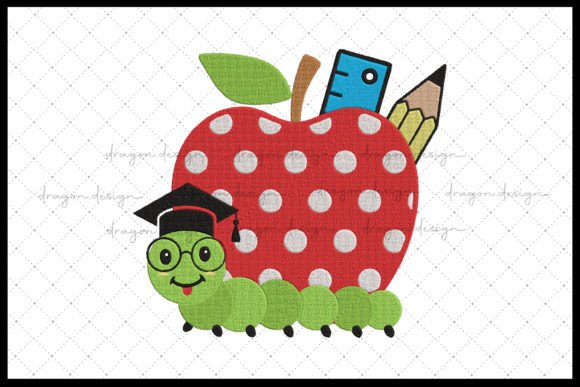
The Apple Back to School motif carries an immediate sense of nostalgia and professionalism. In the context of back-to-school season, apples are a universal symbol of education, growth, and care. From a design perspective, this piece feels friendly yet structured. It does not lean too heavily into childish caricature, which makes it versatile. Instead, it strikes a balance between playful and classic, allowing it to sit comfortably on both children’s items and adult professional wear.
For a handmade brand or a creative studio, this visual personality is a significant asset. It suggests warmth and approachability. When I review a digital embroidery file like this, I look for clarity in the lines. The description notes that it is perfect for decorating beautiful embroidery projects, implying a level of detail that stands out. However, the true test is how those details translate when stitched out on various fabrics. The design appears to favor clean outlines and solid fills, which are essential for maintaining legibility, especially when scaled down for smaller applications.
Real-World Applications for Small Business Merch
The versatility of Apple Back to School extends far beyond simple student gifts. For small business owners, this design can serve as a cornerstone for seasonal marketing campaigns. Consider a local bakery or café launching a "Teacher Appreciation" month. Embroidering this apple motif on tote bags or aprons creates an instant thematic connection without needing excessive text. It acts as a visual shorthand for gratitude and community support.
- Embroidered Patches: This is perhaps the most profitable application. Creating iron-on or sew-on patches allows customers to customize their own jackets, backpacks, or lunchboxes. The apple shape is contained and recognizable, making it ideal for patch production.
- Staff Uniforms and Aprons: For boutiques, florists, or bookstores, adding this design to the chest pocket of an apron adds a touch of seasonal flair. It elevates standard workwear into branded custom apparel that customers notice and appreciate.
- Tote Bag Design: Canvas totes are staples for back-to-school shopping. Placing the apple motif centrally or as a corner accent provides a high-value perceived item that parents and students alike will use daily.
- Cap Embroidery: A small version of this design on the front of a baseball cap can serve as a subtle brand mark. However, curvature must be considered during the hooping process to ensure the design does not distort.
Furthermore, this design works exceptionally well for event merch. If you are sponsoring a local school fair or hosting a workshop, having branded items featuring the Apple Back to School graphic helps unify the visual identity of the event. It transforms generic promotional items into memorable keepsakes.
Technical Considerations and Stitch Density
While the aesthetic appeal is strong, the technical execution determines the quality of the finished product. One of the primary concerns with any apple-themed design is the stem and leaf detail. These areas often require precise digitizing to prevent thread breaks or puckering. When reviewing this file, I recommend checking the stitch density carefully. If the density is too high in the red fill of the apple, it may cause the fabric to pucker, especially on lighter materials like cotton tees or linen totes.
Fabric texture plays a massive role in how this design presents itself. On smooth, tightly woven fabrics, the satin stitches should appear glossy and uniform. However, on textured fabrics like fleece or heavy canvas, the finer details might get lost. I advise running test stitches on the exact material you plan to sell. Additionally, the choice of thread colors is vital. While traditional red and green are expected, experimenting with brand-specific colors can make the design feel more unique to your brand identity. For instance, a earthy tone might suit a rustic boutique, while a bright neon could appeal to a modern, youthful demographic.
Stabilizer selection is non-negotiable. For items that will undergo frequent washing, such as student backpacks or daily-use aprons, using a cut-away stabilizer ensures the design remains intact and does not pull away from the fabric over time. Always confirm the recommended hoop size for the specific file version you purchase, as resizing beyond the intended limits can lead to registration errors.
Strategic Placement and Brand Identity
How you place Apple Back to School on a garment affects customer perception. A large, central placement screams "gift item," while a small, left-chest placement suggests "professional uniform." For businesses aiming to build trust and recognition, consistency is key. Using this design across multiple product lines—such as matching hats, shirts, and bags—creates a cohesive look that enhances small business merch value.
It is also important to consider where the design should be used cautiously. Tiny lettering, if included in the specific file variant, may not stitch out clearly on small patches. Always inspect the spacing between elements. If the design includes text like "Back to School," ensure it is large enough to remain legible after stitching. Dark uniforms present another challenge; if the apple is dark red, it may not contrast sufficiently against navy or black fabric. In such cases, adding a white underlay or choosing a brighter thread shade can improve visibility.
Designer Notes for Commercial Use
Before integrating Apple Back to School into your product lineup, follow these practical steps to ensure quality and compliance:
- Test in Black and White: Print or stitch a monochrome version first. If the design loses its shape without color, the digitizing may rely too heavily on color blocking rather than structural stitches.
- Check Scale Compatibility: Verify if the design holds up at small patch sizes. Zoom in on your digital preview to inspect anchor points and jump stitches.
- Create a Printable Mockup: Before stitching, place the design on a digital mockup of your intended product. This helps visualize proportion and placement for client approval or social media previews.
- Verify Licensing: Ensure the commercial embroidery license covers the volume of sales you anticipate. Some files have restrictions on the number of physical items produced.
- Compare Design Assets: Place this apple motif beside your existing logo or other seasonal designs. Ensure it complements rather than clashes with your overall visual style.
Ultimately, the Apple Back to School embroidery design offers a robust solution for businesses looking to capitalize on the seasonal rush. It is more than just a decorative element; it is a tool for engagement. By paying attention to technical details like stabilizer choice, thread contrast, and placement, you can transform this simple motif into a high-performing asset for your brand. Whether used for apron embroidery in a café or as a standout feature on a handmade tote, this design has the potential to drive sales and strengthen customer connections during the busy back-to-school period.